


Adjustable Ratcheting Spanner Set Guide for Pros
Discover the benefits of adjustable ratcheting spanner sets for efficient, versatile tool usage in automotive, plumbing, and DIY tasks.
 Jennifer·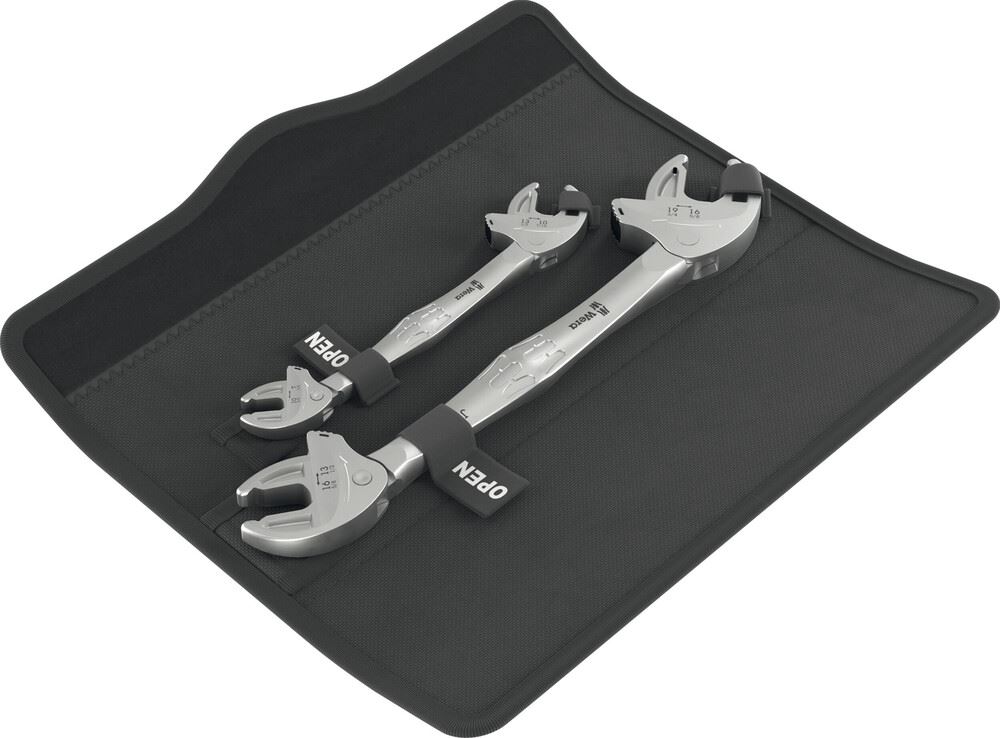
Adjustable Ratcheting Spanner Set Guide for Pros
Traditional spanners get the job done, but they can slow you down when you’re moving between fastener sizes, working around brake lines, pipework, panels or fighting for swing room in tight clearances. Modern designs like the adjustable ratcheting spanner set, self-adjusting jaws and fine-tooth ratchet heads are built to reduce tool changes, improve access and speed up repetitive tightening and loosening.
For mechanics, engineers, tradespeople and serious DIY users, the result is simple: quicker jobs, fewer rounded nuts and bolts, and a more efficient workflow whether you’re in a workshop, on a construction site, or doing maintenance callouts.
What Is a Self-Setting Spanner?
A self-setting spanner (also called self-adjusting or self-adjusting wrench) uses an automatic jaw mechanism to adapt to different fastener sizes without manually turning a thumbwheel. Instead of swapping between multiple sizes, the tool adjusts as you apply pressure, gripping a range of hex heads, nuts, and bolts.
Why it matters in real-world work:
- One tool covers multiple sizes, helping reduce clutter in your toolbox.
- Faster sizing changes when you’re jumping between fittings during installs or repairs.
- Less chance of using the wrong size, which can round fasteners and cause rework.
In practice, a self-adjusting tool can act like a universal wrench for mixed fasteners which are especially useful in maintenance, plumbing, and plant work where exact sizes aren’t always known ahead of time.
Benefits of Ratcheting Spanners
Ratcheting spanners combine a ring end with an internal ratchet mechanism, letting you turn a fastener continuously without lifting the tool after each movement. Compared with a standard ring spanner, they save time on long-thread bolts and reduce fatigue on repetitive tasks.
- Faster tightening and loosening: Keep turning without resetting your grip.
- No need to remove the tool after each turn: Ideal for production-style work and frequent servicing.
- Great for confined spaces: A fine-tooth ratchet needs less swing arc, making it one of the best spanners for tight spaces.
- Better productivity: Less wasted motion adds up across a full day in the workshop.
When you pair ratcheting heads with adjustability, an adjustable ratcheting spanner set becomes a flexible option for mixed jobs, especially when access is limited and speed matters.
Why Professionals Choose Combination Spanner Sets
A combination spanner set typically includes an open end (for fast placement and quick indexing) and a ring end (for stronger contact and better torque transfer). It’s a staple in professional hand tools because it balances versatility, strength, and control.
Key reasons pros prefer a quality set:
- Open-end and ring-end versatility: Use the open end for access, the ring end for higher torque.
- Metric and imperial compatibility: The right metric and imperial spanner coverage prevents delays on mixed equipment.
- Workshop organisation: A clearly labelled set keeps tool selection fast and consistent.
- Long-term value: A premium durable wrench set outlasts cheap tools and protects fasteners.
For vehicle servicing and machinery work, many technicians build around a core ratchet wrench set plus a dependable mechanic spanner set for jobs where a ratchet head won’t fit.
Key Features to Look For
Not all sets are built the same. If you’re comparing workshop tools for serious use, focus on features that improve access, reliability, and fastener protection.
- Fine-tooth ratchet mechanisms: Look for a high tooth count (e.g., 72-tooth) for a smaller return angle.
- Compact return angle: A low swing arc is crucial around bulkheads, engine bays, and tight pipe runs.
- Strong alloy steel construction: Heat-treated chrome vanadium or similar alloys handle torque without deforming.
- Corrosion-resistant finishes: Chrome or protective coatings help in wet, dirty, or outdoor environments.
- Secure grip / anti-slip jaw design: Self-adjusting jaws should bite consistently without slipping under load.
- Easy size identification: Stamped and high-contrast markings reduce mis-grabs in low light.
- Storage pouches or organisers: Rolls, foam trays, or racks keep your set complete and job-ready.
If you regularly work on varied equipment, consider a set that complements your existing sockets and torque tools rather than duplicating them.
Best Uses for Modern Spanners
Modern spanners earn their place wherever time, access, and repeatability matter. Common high-value applications include:
- Automotive repair: Engine bays, suspension work, brake components, and fasteners with limited swing room.
- Machinery maintenance: Plant equipment, guards, motor mounts, and fasteners that need frequent checks.
- Plumbing: Compression fittings, valves, and awkward under-sink access where a standard spanner is slow.
- Electrical installations: Brackets, enclosures, and fixings where control and clearance are critical.
- Construction sites: Steelwork fixings, formwork, and on-the-go adjustments.
- Home garage projects: Bikes, garden machinery, small engines, and general repairs with mixed fastener sizes.
A well-chosen set bridges the gap between quick adjustments and high-torque tightening without carrying half a toolbox to every job.
How to Choose the Right Adjustable Ratcheting Spanner Set
The “best” set depends on what you work on, how often you use it, and the access you typically have. Use these practical checkpoints when comparing options:
- Frequency of use: Daily professional use demands premium ratchet durability and strong warranty support.
- Required sizes: Match the set to the fasteners you see most, common automotive and industrial ranges differ.
- Workspace access: If you live in tight engine bays or cramped cabinets, prioritise fine-tooth mechanisms and slim heads.
- Budget vs quality: Cheaper sets can slip, spread or round fasteners, costly when downtime and rework matter.
- Professional vs DIY needs: DIY users may benefit from flexibility (self-adjusting coverage), while pros often need dedicated sizes for repeatability.
For mixed environments like maintenance teams covering multiple sites, a blended kit often works best: a combination spanner set for precision, plus a self-adjusting universal wrench for unknown fittings, plus a compact ratchet wrench set for speed.
Maintenance Tips for Long Tool Life
Even premium tools need basic care to stay smooth, accurate, and safe. A few habits protect your investment and keep your set working like new.
- Clean after use: Wipe off oil, grit, and metal dust especially around ratchet heads and jaw mechanisms.
- Store properly: Use organisers or pouches to prevent moisture exposure and stop tools from knocking together.
- Prevent rust: Lightly oil metal surfaces if you work in humid or outdoor conditions.
- Lubricate ratchets: Use a suitable light lubricant sparingly; avoid packing grit into the mechanism.
- Inspect regularly: Check for chipped teeth, slipping jaws, or spread openings. Replace damaged tools to avoid fastener damage or injury.
Conclusion
Modern spanners aren’t just a “nice to have”, they’re a practical upgrade that improves speed, safety, and day-to-day efficiency. A quality adjustable ratcheting spanner set (paired with the right combination and ratcheting options) helps you work faster in tight spaces, reduces tool changes, and protects fasteners with better engagement and control.
Ready to upgrade your workshop tools? Browse premium spanner and wrench sets built for professional results, then choose the sizes, features and storage that match the way you work.
