


Best VDE Insulated Screwdrivers for Electricians
Choose the right VDE insulated screwdriver set for safe electrical work with tips on certification, design, and proper use.
 Alex·
Alex·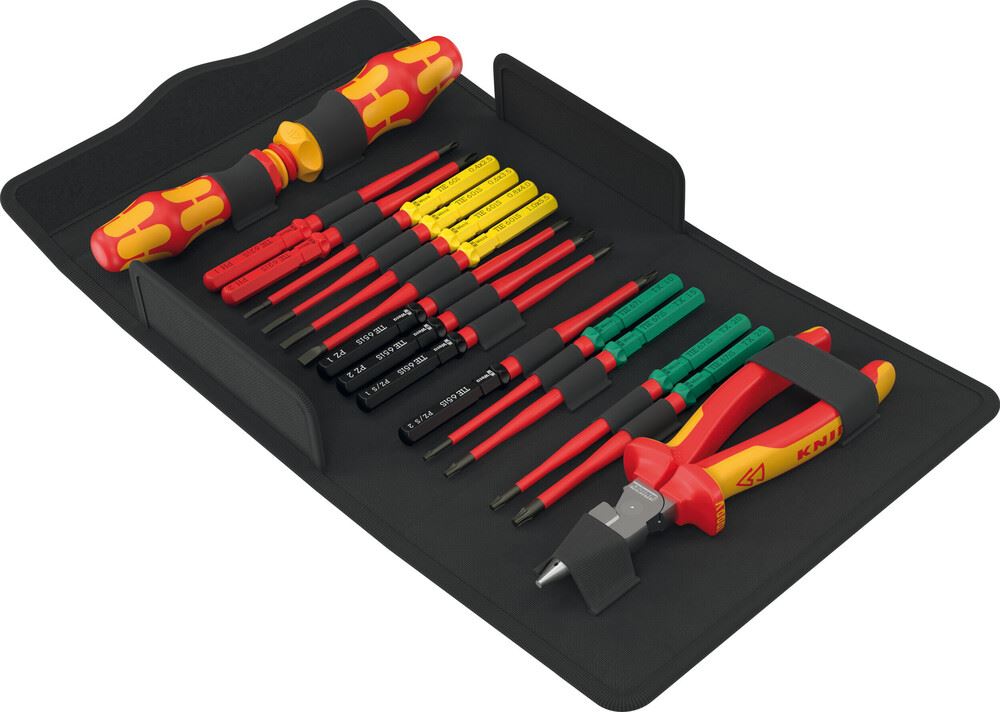
Choosing the Right VDE Insulated Screwdriver Set for Electrical Work
You wouldn’t drive without a seatbelt, yet many homeowners gamble with their safety when simply tightening a wobbly outlet plate. According to safety experts, standard plastic-handled tools offer a dangerous false sense of security. Beneath that comfortable grip, a conductive metal core often runs straight into your palm, creating a direct path for a life-changing shock if you touch a live wire.
In practice, upgrading to certified electrical safety tools serves as your final line of defense against hidden currents. Comparing VDE vs non-insulated screwdrivers reveals that true VDE insulation acts as a guaranteed barrier, crucially preventing electrical arc flash injuries during an accidental slip. Even after flipping the breaker, holding this specialized gear ensures complete, shock-free peace of mind.
How the VDE 'Seal of Approval' Protects You from 1,000 Volts
Most people think standard plastic handles automatically block household electricity. However, just like a thin windbreaker won't keep you dry in a thunderstorm, basic plastic cannot stop a serious shock. You need a dedicated electrical raincoat built to strict IEC 60900 certification standards to ensure current never reaches your hand.
Learning how to identify genuine VDE tools takes only seconds. Before any VDE insulated screwdriver set reaches the store, independent safety experts blast it with 10,000 volts. Surviving this extreme 10-to-1 testing ratio guarantees these 1000V rated hand tools provide a massive safety buffer for your standard wall outlets. Always verify your protection by checking the handle for these three markings:
- The VDE GS Mark: The official, independent "seal of approval."
- The Double Triangle: The industry gold standard symbol for live-wire protection.
- 1,000V Text: Proof that the tool passed the extreme high-voltage test.
Beyond safety certifications, selecting the correct tip, whether Phillips, Pozi, or Slotted, is essential for safe and effective repairs.
Phillips, Pozidriv, or Slotted? Picking the Right Tips for Home Repairs
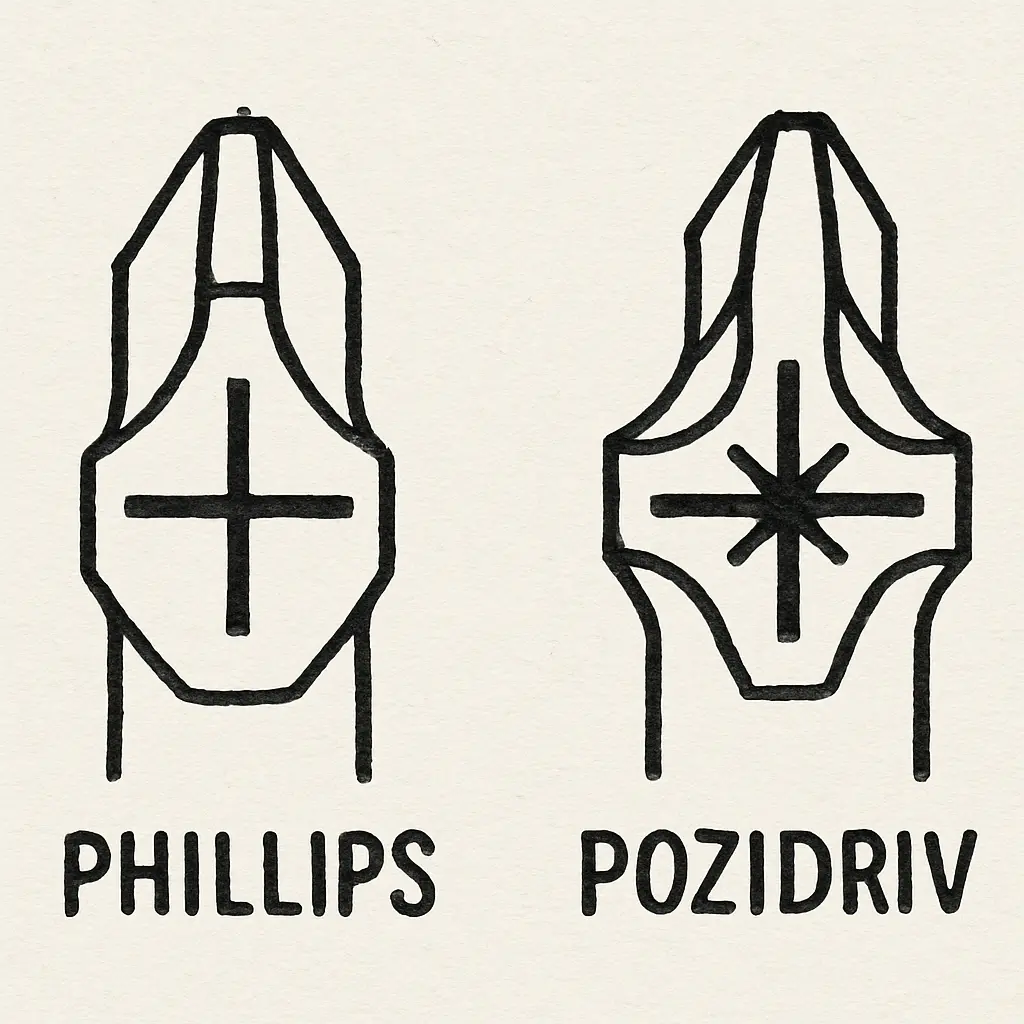
Grabbing the wrong tool from your electrician screwdriver set is a safety hazard. If a tip doesn't perfectly match the screw, it slips out under pressure which is a dangerous problem called "cam-out" that risks damaging nearby wires. While flat-headed Slotted tips handle older fixtures and simple cross-shaped Phillips tips tackle general assembly, modern electrical components require something better.
Inspect the screws on a new light switch, and you might notice a cross with faint diagonal lines between the main slots. This is a Pozidriv screw, engineered to prevent cam-out so you can safely apply more turning force without slipping. A standard Phillips will quickly strip this metal, which is why professional electrician tools include dedicated PZ tips.
Matching your Pozidriv and Slotted screwdriver tips to the correct task keeps your household repairs safe and simple:
- Older outlet faceplates: Slotted tips.
- Basic mounting brackets: Phillips tips.
- Modern switches and breaker panels: Pozidriv tips.
Even with the correct tip, reaching the connection can be problematic if standard insulated blades are too thick to fit inside recessed wall outlets.
Why Slimline Blades are Essential for Recessed Screws in Wall Outlets
Replacing a wall outlet often reveals a frustrating problem: connection screws are buried deep inside narrow plastic channels. Standard insulated tools for electricians use thick protective plastic wrapped around the metal shaft to keep you safe. Unfortunately, this bulky outer layer frequently gets wedged at the entrance of recessed holes, stopping the tip from reaching the screw. Forcing the blade not only ruins its protective coating but risks cracking the delicate fixture.
Modern VDE tools solve this clearance issue with specialised slimline blades for recessed screws. Instead of adding a bulky external sleeve, manufacturers integrate the insulation directly into the metal. This flush design keeps the shaft consistently narrow, allowing you to seamlessly reach deep terminals without compromising your 1,000-volt safety barrier.
Reaching hidden connections is only part of the job; safely applying turning force requires proper handle ergonomics.
Ergonomics and Torque: Why Comfort Impacts Your Safety
Having the right grip is a critical safety measure when working near electricity. An ergonomic dual-component handle design combines a hard plastic core for durability with a soft rubber exterior for maximum grip. This dual-layer construction prevents your bare hand from slipping toward dangerous metal components, while drastically reducing hand strain during repetitive weekend household maintenance.
Applying that comfortable turning force introduces another hidden risk: under-tightening. A loose wire in a wall socket is a serious fire hazard, which makes a torque screwdriver set an excellent investment for safety-conscious homeowners. Using torque control insulated drivers ensures the tool clicks at the exact right tightness, guaranteeing a secure connection without accidentally crushing the delicate copper wire. However, even the most comfortable, perfectly tightened tool cannot protect you if its rubber barrier is compromised, making regular inspection a vital habit before starting any project.
Spotting Invisible Danger: When to Retire Your Insulated Tools
Even the best VDE-certified screwdriver fails if its protective coating is compromised. Tossing it into a cluttered toolbox invites hidden scratches from loose nails. Instead, use a dedicated tool pouch to keep your gear pristine, which is essential for avoiding electric shock during live work.
Before every project, perform a 10-second visual check. This simple habit is the standard for testing insulated tools for safety. When inspecting insulation for damage, follow this 3-step retirement checklist:
- Deep Nicks: Cuts exposing metal mean immediate retirement.
- Discolouration Rule: Faded rubber indicates weakened protection.
- Loose Grips: A twisting handle ruins your barrier.
Your Final Safety Checklist: Choosing the Best Set for Your Home
When comparing high-quality insulated sets for your tool kit, prioritise certified safety and functionality over basic plastic handles. Ensure your chosen screwdrivers include the right features to keep your electrical projects safe and efficient. Keep this checklist in mind for your next hardware store visit:
- 1,000V VDE certification marking
- Slimline shafts for tight spaces
- Essential Pozi and Slotted tips
- Comfortable, ergonomic safety grips
- An interchangeable blade screwdriver option
