


Cost-Effective Solo Woodscrews for Chipboard & Softwood Fixings
Solo woodscrews offer a cost-effective, reliable fixing solution for softwood, chipboard, and trade applications, combining strong grip, reduced splitting, and clean flush finishes for everyday construction jobs.
 Sofia·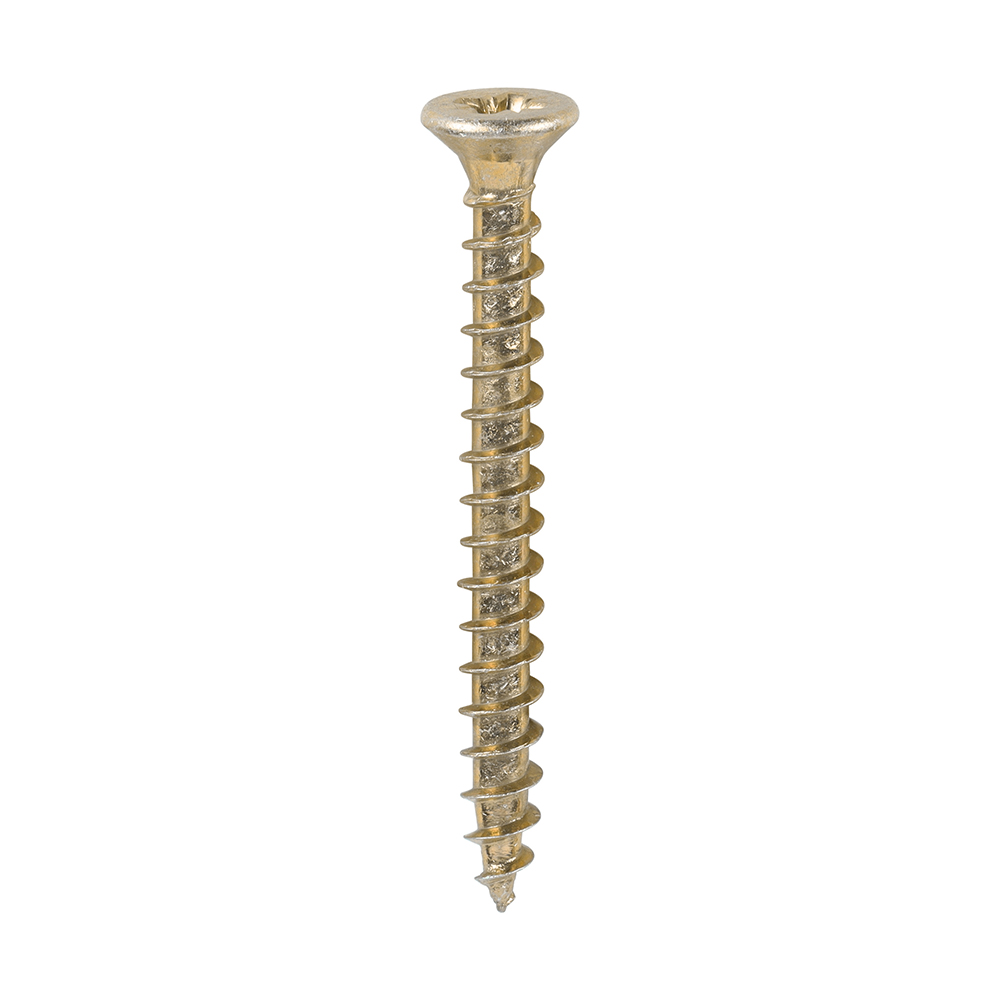
Solo Woodscrews: A Reliable, Cost-Effective Fixing for Softwood, Chipboard and Trade Jobs
Every tradesperson knows the frustration of a screw head snapping halfway into a piece of chipboard. In practice, balancing specialised structural screws against everyday construction fixings often bloats project budgets. Versatile Solo woodscrews bridge this gap, offering reliable trade fixings for standard general applications. These cost-effective alternatives handle softwood, chipboard, and plastic easily without compromising daily performance.
Secure Grip in Low-Density Timber: Why 40-Degree Threads Master Chipboard and Softwood
Building flat-pack cabinets reveals a frustrating truth: standard fixings easily strip out of yielding materials. Since different timbers have different densities, using generic hardware on porous boards causes weak joints. Solo woodscrews for low-density timber solve this through exceptional 40-degree deep single thread performance. Unlike thicker threads that simply mash internal fibres, this steeper angle slices cleanly. The design maximises surface contact, firmly locking the fixing in place and drastically reducing your risk of pull-out.
Relying on these dedicated chipboard screws and softwood screws ensures your assemblies achieve a permanent hold. Properly securing the internal grip allows you to focus on achieving a flawless surface finish.
Faster Drive-Ins and Flush Finishes: The Science of Sharp Points and Double Countersunk Heads
Starting near a board edge often results in frustrating splits or a wandering bit. Preventing wood splitting with sharp point screws relies on a 25-degree tip that bites into the material instantly, skipping the need for pre-drilling pilot holes in most softwoods.
Achieving a neat surface is equally crucial once the fixing is driven. Comparing a double countersunk vs single countersunk head explains why these specific fixings sit perfectly flush without crushing the surrounding wood fibres. This engineered anatomy delivers three core advantages on the job site:
- 25-degree point: Grabs instantly to stop bit wandering.
- Benefits of wax lubricated wood screws: Lowers driving friction to extend your cordless drill's battery life.
- Double countersunk head: Sinks cleanly for a professional, flush finish.
A flush surface finish visually complements a tightly pulled joint. Creating that rigid connection requires the right combination of thread design and drive type to eliminate structural gaps between timbers.
Eliminating Gaps in Joists: How Partial Threading and Drive Choice Secure Your Project
Closing gaps between timber creates a rigid, squeak-free structure. Using partial thread screws for pulling joints tight solves this instantly. The unthreaded top shank spins freely in the upper board while lower threads bite and pull the base material upward. This creates a powerful clamping effect that works flawlessly across pan head and double countersunk styles.
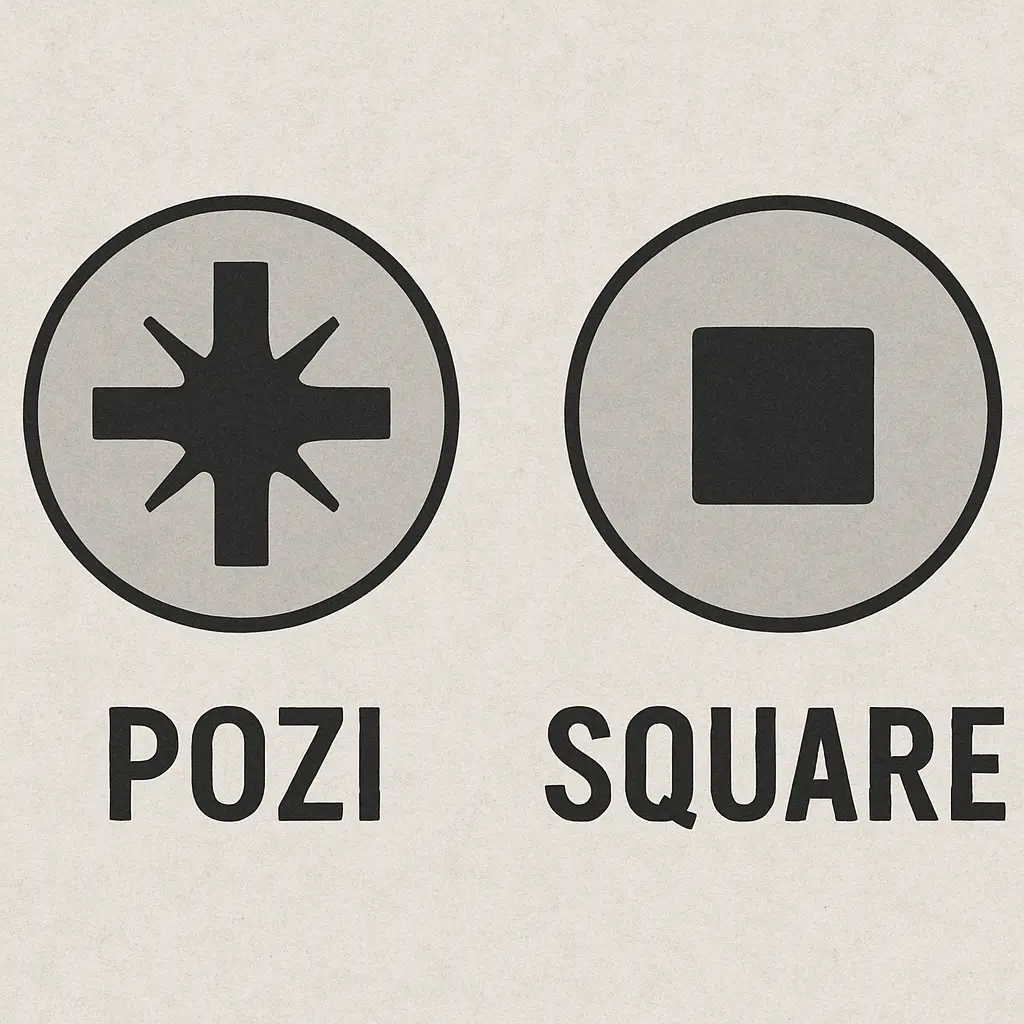
Driving these fasteners home requires high torque without the bit slipping. Comparing Pozi vs square drive wood screws shows both recesses effectively eliminate frustrating cam-out and head stripping. Square drives grip aggressively for heavy structural loads, whereas Pozi heads centre the bit perfectly for rapid installation. Beyond physical clamping force, structural integrity relies heavily on meeting established safety regulations for load-bearing and internal fit-outs.
Building to Code: Why Eurocode 5 Compliance Matters for Internal Fit-Outs
Choosing fasteners that meet Construction Products Regulations for structural fixings guarantees your work fulfils rigorous legal safety standards. Apply these Eurocode 5 EN1995-1-1 compliant fixings exclusively to indoor cabinetry and framing. Because they are engineered as corrosion-resistant screws for dry environments, your interior assemblies will remain safely secured and fully compliant for decades.
