

Fast, Burr-Free Metric Hole Punch Tool for Sheet Metal
A metric hole punch for sheet metal delivers fast, burr-free, factory-clean holes by shearing metal with a punch-and-die system, making it ideal for precise, professional results without drill distortion.
 Alex·
Alex·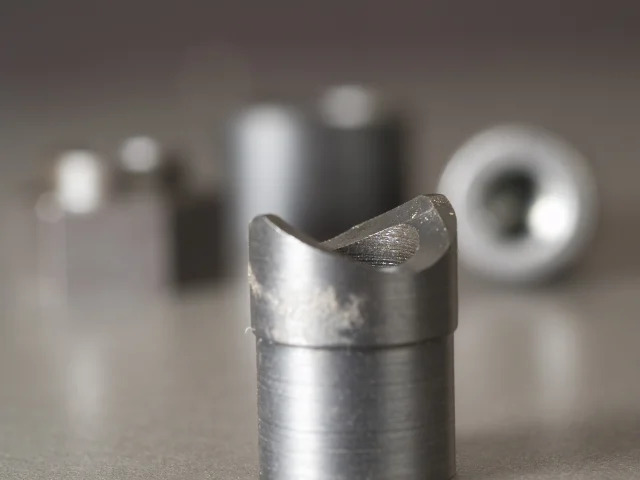
Metric Hole Punch for Sheet Metal: Clean, Burr‑Free Holes Fast
You’ve likely watched a drill bit snag on thin metal, leaving a warped mess instead of a circle. Experience shows standard twist drills often tear sheet metal, requiring a specialized sheet metal hole cutter for safety. As a true burr-free hole tool, it acts as a clean hole cutter that shears metal for factory-perfect results.
 ## The Three-Part Team: Punch, Die, and Draw Stud
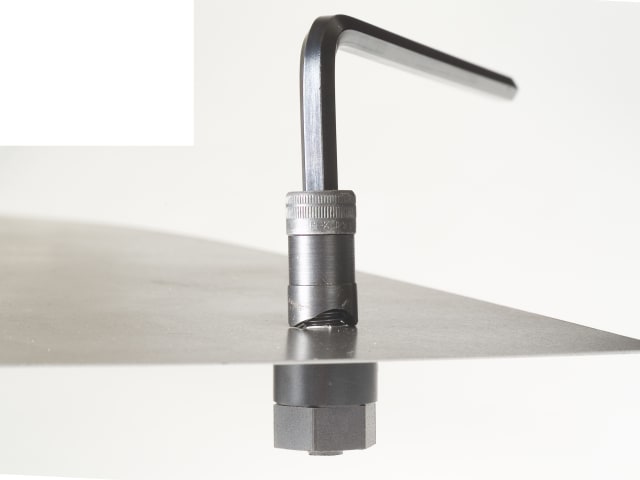
Unlike a drill that tears at the surface, a manual chassis punch works more like a heavy-duty paper punch. The system relies on a "sandwich" method to protect your material. At the bottom sits the die, a cup-shaped metal ring that acts as a backing plate. By supporting the sheet metal around the cut zone, the die ensures the surrounding surface remains flat rather than bowing under pressure.
Sitting on the opposite side is the punch, which functions like a hardened steel cookie cutter. This component determines the shape and diameter of your cutout, so double-check your hole punch sizes against your specific project needs. When force is applied, the punch drives into the die's hollow centre, shearing a clean circle without the dangerous, jagged burrs typically left by twist drills.
Powering this movement is the draw stud, a thick, high-strength threaded bolt that connects the two halves through a small pilot hole. As you tighten this bolt with a standard wrench, it pulls the metal punch tool into the die with immense force. This mechanical advantage allows you to cut steel using simple hand tools.
How to Punch a 22mm Hole in Five Minutes
Installing a standard industrial start button or indicator light typically requires a precise 22mm opening. Using a large twist drill often results in a mangled, uneven edge, but a metric hole punch for sheet metal guarantees a factory-clean finish. This process creates a perfect circle by shearing the metal rather than chipping it away, ensuring your components fit snugly without rattling.
First, you must create a path for the draw stud. Calculating pilot hole diameter for knockout tools is simple: the hole must be slightly wider than the draw stud threads. If the bolt is 9.5mm (3/8") thick, drill an 11mm or 12mm starter hole to ensure the stud slides through freely without damaging the threads.
Once your pilot hole is ready, follow this workflow to complete the cut:
- Mark your center point clearly on the metal surface.
- Drill the pilot hole using a standard high-speed steel bit.
- Slide the draw stud through the metal, sandwiching the sheet between the punch and die.
- Tighten the nut with a wrench until you hear a loud "pop" as the metal shears.
- Disassemble the tool and shake out the waste "slug" from inside the die.
Most home projects rely on manual force using a wrench or Metric Hole Punch for Sheet Metal: Clean, Burr‑Free Holes Fast
You’ve likely watched a drill bit snag on thin metal, leaving a warped mess instead of a circle. Experience shows standard twist drills often tear sheet metal, requiring a specialized sheet metal hole cutter for safety. As a true burr-free hole tool, it acts as a clean hole cutter that shears metal for factory-perfect results.
 The Three-Part Team: Punch, Die, and Draw Stud
Unlike a drill that tears at the surface, a manual chassis punch works more like a heavy-duty paper punch. The system relies on a "sandwich" method to protect your material. At the bottom sits the die, a cup-shaped metal ring that acts as a backing plate. By supporting the sheet metal around the cut zone, the die ensures the surrounding surface remains flat rather than bowing under pressure.
Sitting on the opposite side is the punch, which functions like a hardened steel cookie cutter. This component determines the shape and diameter of your cutout, so double-check your hole punch sizes against your specific project needs. When force is applied, the punch drives into the die's hollow center, shearing a clean circle without the dangerous, jagged burrs typically left by twist drills.
Powering this movement is the draw stud, a thick, high-strength threaded bolt that connects the two halves through a small pilot hole. As you tighten this bolt with a standard wrench, it pulls the metal punch tool into the die with immense force. This mechanical advantage allows you to cut steel using simple hand tools.
How to Punch a 22mm Hole in Five Minutes
Installing a standard industrial start button or indicator light typically requires a precise 22mm opening. Using a large twist drill often results in a mangled, uneven edge, but a metric hole punch for sheet metal guarantees a factory-clean finish. This process creates a perfect circle by shearing the metal rather than chipping it away, ensuring your components fit snugly without rattling.
First, you must create a path for the draw stud. Calculating pilot hole diameter for knockout tools is simple: the hole must be slightly wider than the draw stud threads. If the bolt is 9.5mm (3/8") thick, drill an 11mm or 12mm starter hole to ensure the stud slides through freely without damaging theratchet. However, if you plan to punch tough stainless steel or cut dozens of holes, upgrading to a hydraulic driver saves significant physical effort. Regardless of the power source, preventing metal warping during hole punching relies on keeping the die flush against the surface and stopping immediately once the cut snaps free. This careful approach protects both your project and the cutting edges.
Lubrication and Storage for Longevity
You can now create professional openings without jagged edges. To maintain that precision, wipe your dies with oil after every project. Keeping lubricated cutting edges prevents dulling, while proper storage ensures the delicate metal doesn't chip inside your toolbox.
Whether installing buttons or glands, you are ready to match ISO standard metric conduit hole sizes like M20 or M25 perfectly. You have upgraded from "close enough" drilling to true fabrication, giving your DIY projects a clean, factory-finished look.