


JB Weld Syringes Explained: Application & Maintenance
Learn how to use JB Weld and epoxy syringes correctly, from purging air and mixing components to applying, curing, and storing two-part adhesives for reliable, long-lasting repairs.
 Amina·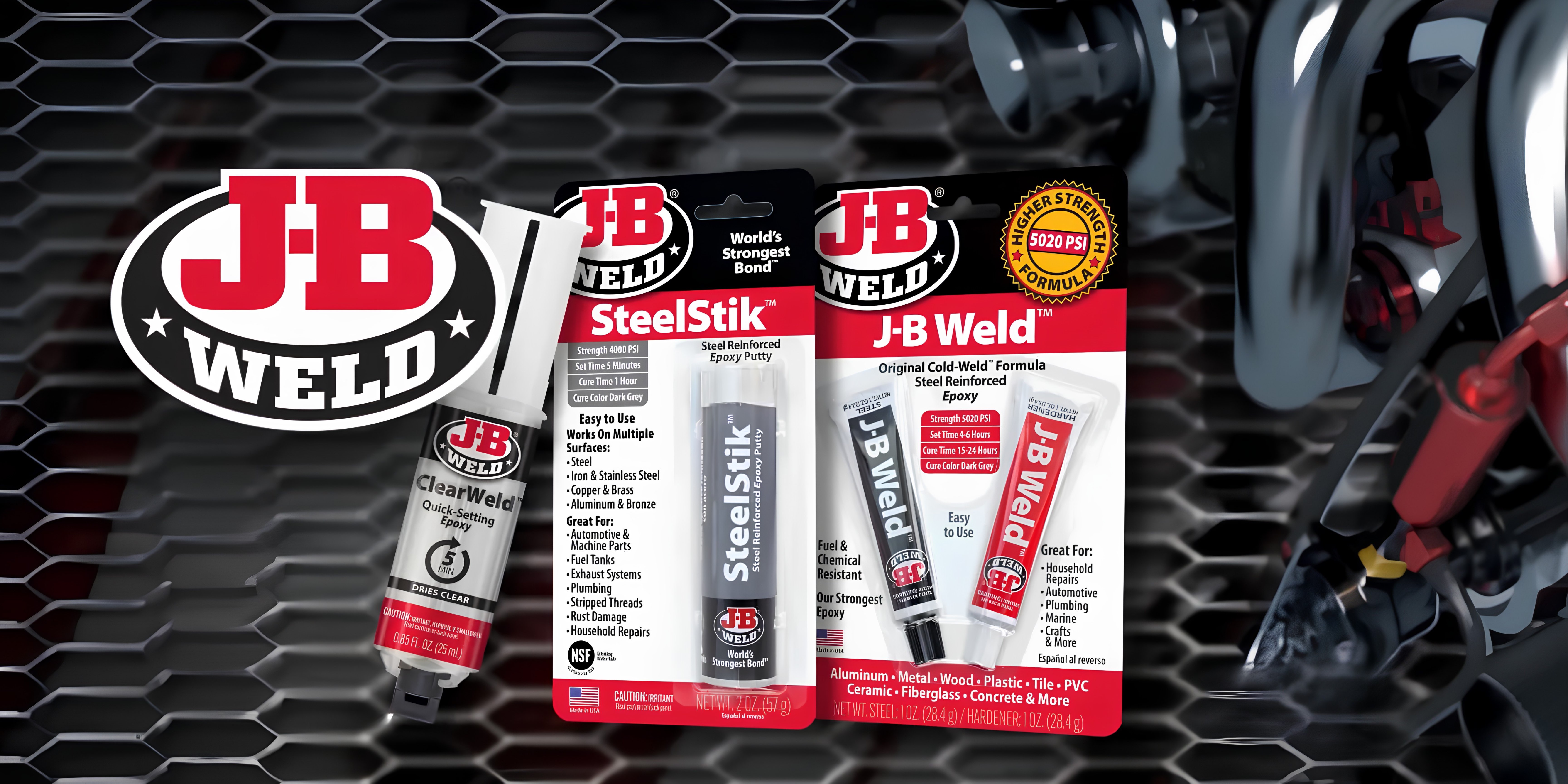
How to Use JB Weld Syringes for Strong, Reliable Repairs
Whether you are repairing a broken ceramic vase, reinforcing a metal bracket or carrying out an automotive repair, JB Weld syringes and epoxy syringes are essential tools. These convenient two-part adhesives make it easy to achieve strong, long-lasting bonds without the mess associated with traditional mixing methods.
Their simple design and accurate dispensing system have made them a popular choice for both DIY enthusiasts and professionals.
Understanding Dual-Barrel Applicators
The effectiveness of dual-barrel applicators comes down to one important factor: accurate mixing ratios. Each barrel contains either the resin or hardener, and the plunger dispenses both components at the correct proportion every time.
This eliminates guesswork and helps create a reliable structural bond. The durable plastic barrels are also designed to withstand the chemical properties of epoxy products, helping to prevent leaks, cracks, or damage during storage and use.
Preparation and Purging
Before working with any two-part adhesives, wear nitrile gloves, use eye protection, and ensure your workspace is well ventilated.
To prepare your adhesive syringes for use:
- Remove the protective cap.
- Cut the sealed tube ends if necessary.
- Hold the syringe upright with the nozzle facing upwards.
- Gently press the plunger until a small amount of both components appears at the tips.
This simple process helps purge trapped air and ensures an even mix from the very first application.
Mixing and Application
When using JB Weld syringes or other epoxy syringes, you can either mix the adhesive manually or use a static mixing nozzle.
For small household repairs, mixing on a piece of cardboard is usually sufficient. However, a static mixer provides a more consistent blend and reduces waste, making it ideal for precise applications.
For detailed repair work, consider using precision dispensing tips. These attachments help direct adhesive into narrow gaps, cracks, and hard-to-reach areas. Larger tip sizes are often better for gap-filling applications, particularly when working with thicker, high-viscosity adhesives.
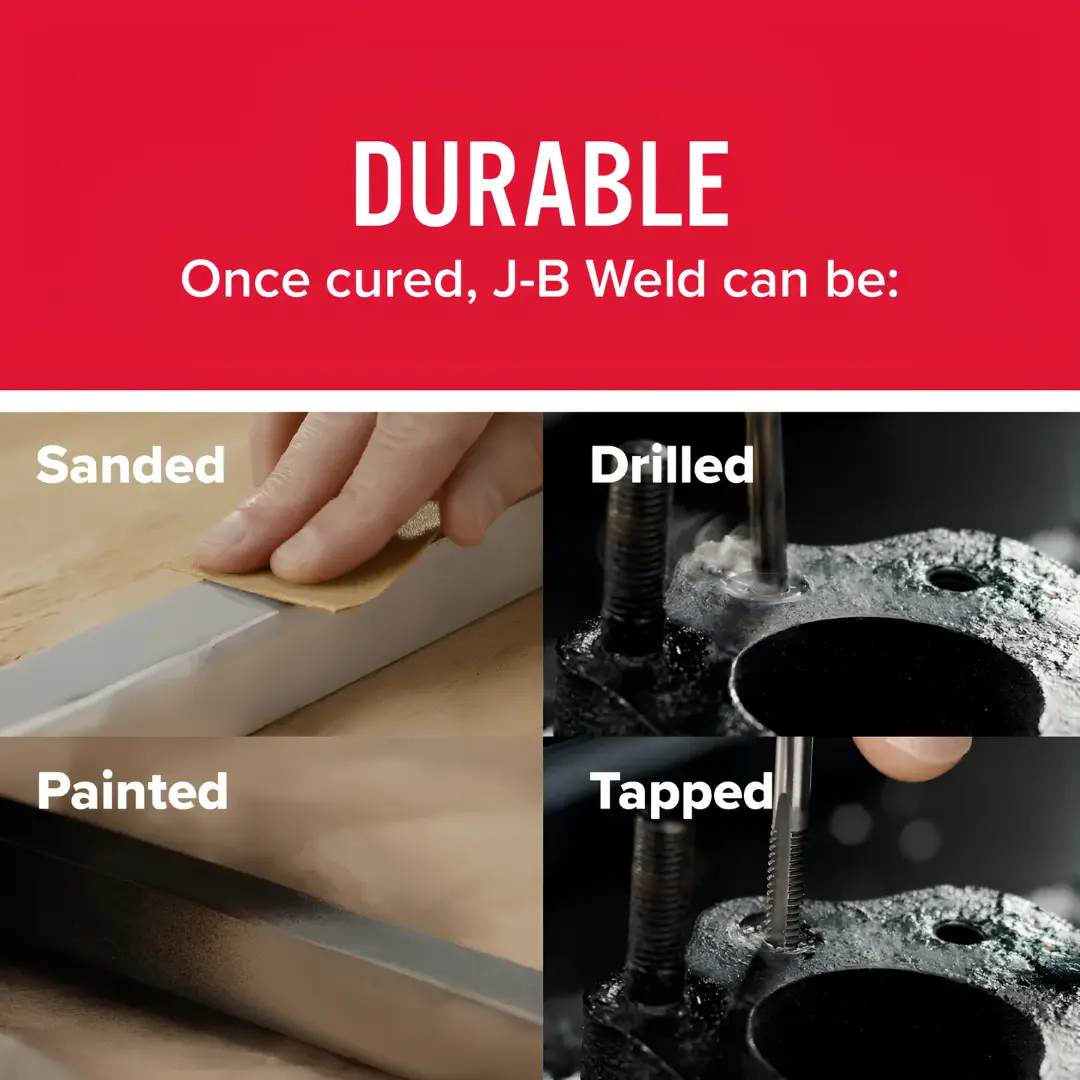
After application, allow the adhesive to cure fully. Resin curing times vary depending on the product, with some formulas setting in as little as five minutes while others require up to 24 hours to reach maximum strength.
Maintenance and Storage
Proper storage can significantly extend the life of your epoxy syringes.
If adhesive remains in the syringe after use:
- Pull the plunger back slightly to reduce pressure.
- Wipe excess material from the nozzle.
- Replace the cap securely.
- Store the syringe according to the manufacturer's recommendations.
If you use reusable dispensing tools, clean them with rubbing alcohol before the adhesive hardens. This helps maintain performance and extends the lifespan of your equipment.
Learning how to use JB Weld syringes correctly can make repairs quicker, cleaner, and more effective. By understanding how dual-barrel applicators work and following proper preparation, mixing, and storage techniques, you can achieve professional-quality results and dependable bonds on a wide range of repair projects.
