


Top UK Guide on Gardening Secateurs & Tools
Discover the best bypass secateurs and pruning tools for gardening. Learn maintenance tips and techniques for healthy plants.
 Jennifer·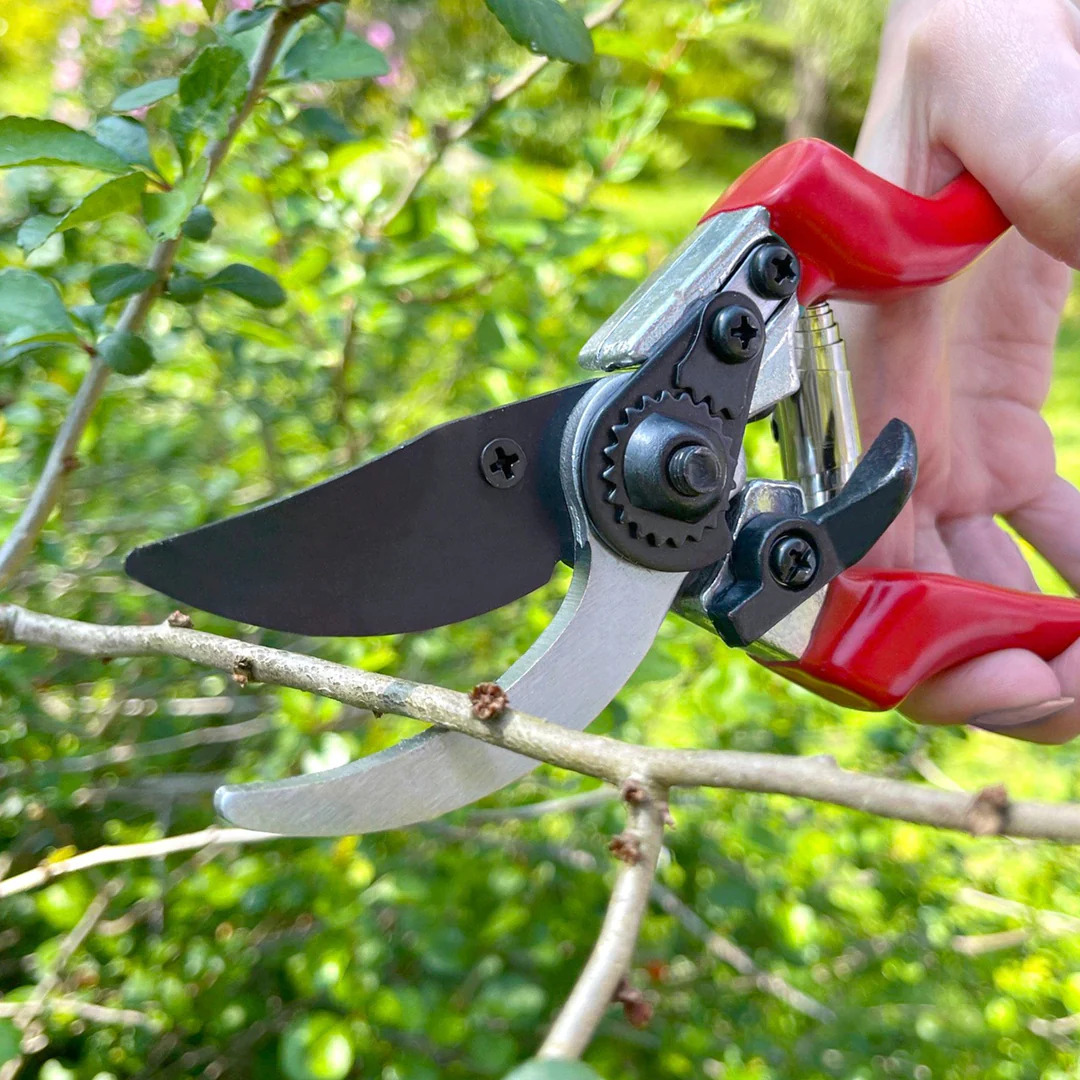
Bypass Secateurs, Garden Pruners & Sharpening Tools: A UK Guide
Gardening is a rewarding hobby that requires the right tools for the best results. Secateurs and pruners are essential for maintaining healthy plants. Choosing between bypass and anvil secateurs can be confusing for many gardeners. Each type has its unique benefits and uses.
Bypass secateurs are ideal for live wood, offering clean, precise cuts. Anvil secateurs, on the other hand, are better for dead wood, providing more crushing power. Understanding these differences can greatly improve your gardening efficiency.
Maintaining your tools is just as important as choosing the right ones. Regular sharpening and proper care ensure your secateurs perform at their best. This guide will help you make informed decisions about your gardening tools.
Understanding Garden Pruners: Types and Uses
Garden pruners, often referred to as secateurs, are vital for plant care. These tools help manage overgrowth and promote healthier plants. Understanding the types of secateurs available can assist in selecting the right tool for your needs.
There are several secateur types to consider, each serving distinct purposes:
- Bypass secateurs: Ideal for clean cuts on living stems and branches.
- Anvil secateurs: Best for dead wood, where crushing is not a concern.
- Ratchet secateurs: Offer additional leverage for thicker branches.
The choice of secateur largely depends on the plants you tend to. For live plants, bypass secateurs are often preferred due to their slicing action. Anvil secateurs work well for clearing dead growth, helping prevent garden disease spread.
Secateurs with non-stick coated blades can reduce sap build-up, making them easier to clean. The right secateur can make your gardening tasks more enjoyable and efficient. Knowing their uses ensures each snip promotes plant health and longevity.
Bypass vs Anvil Secateurs: Key Differences
Choosing between bypass and anvil secateurs can impact your gardening results. Each type has distinct functions and suits different pruning tasks. Understanding these differences can elevate your gardening skills.
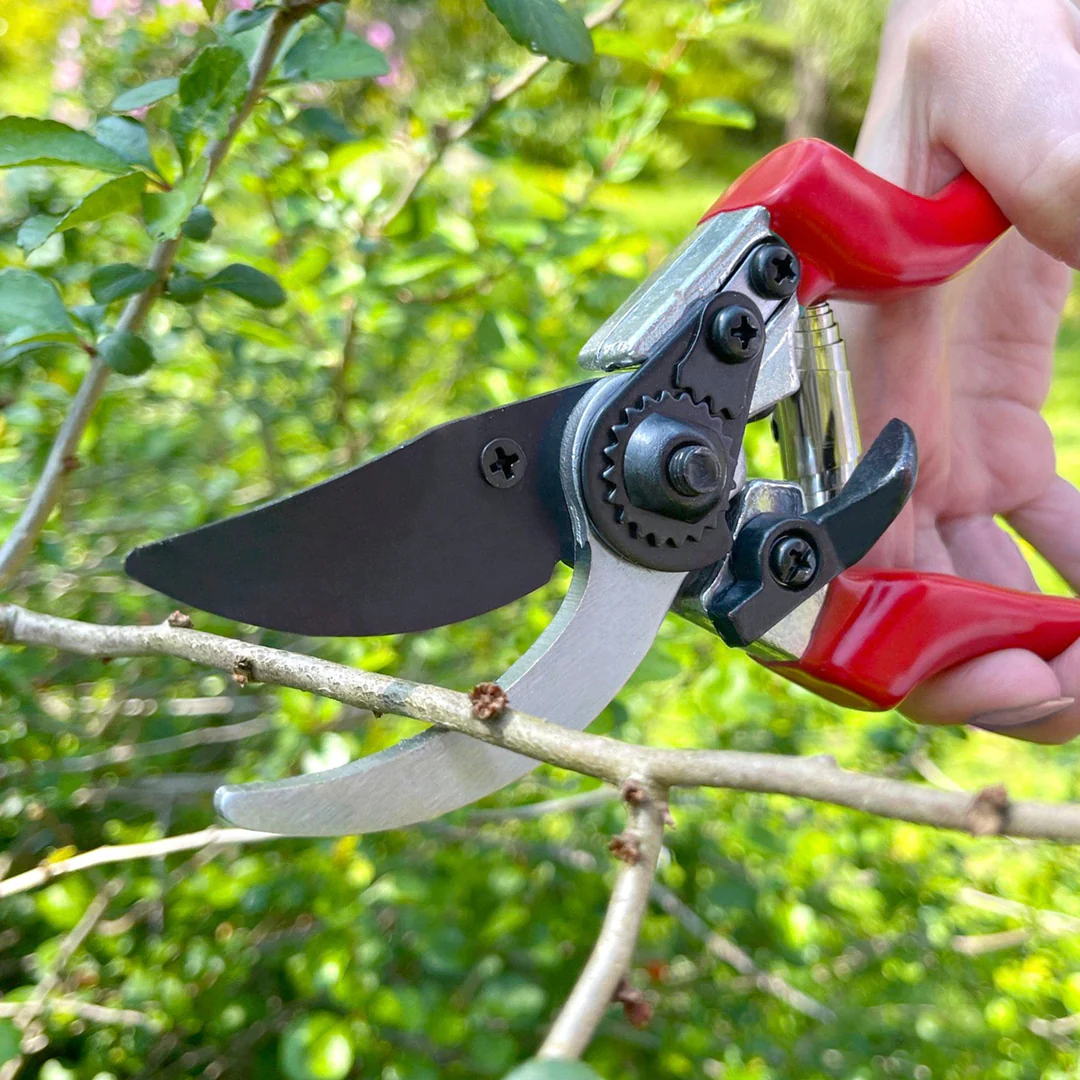
Bypass Secateurs Bypass secateurs are popular for their scissor-like action. They are ideal for live wood, making smooth cuts that promote faster healing. This type of secateur typically features two curved blades.
Anvil Secateurs Anvil secateurs, on the other hand, have a single sharpened blade that closes onto a flat surface or “anvil.” They crush rather than slice, making them more suitable for cutting dead wood.
Key Differences
- Bypass secateurs: Precise cuts, ideal for live wood.
- Anvil secateurs: Efficient for deadwood, crushing cuts.
- Blade action: Bypass slices; Anvil crushes.
The choice between these secateurs often depends on the task and materials being pruned. Bypass secateurs are favoured for their precision, while anvil types are robust for heavier tasks. Ultimately, having both ensures you can handle any garden pruning job effectively.
Choosing the Best Secateurs for Gardening Tasks
Selecting the right secateurs is crucial for efficient gardening. The best tools match your specific tasks and plant types. Comfort, durability, and cutting capacity should guide your decision.
Consider Your Plants Different plants require different secateurs. Bypass secateurs excel with tender stems, while anvil types handle thicker branches. Determine the primary materials you will cut.
Features of Top Secateurs High-quality secateurs offer several useful features. Look for ergonomic handles that reduce hand fatigue. Non-stick coated blades ensure smoother cuts by reducing friction and preventing sap build-up. A sap groove can also help keep blades clean.
Our Recommended Traits:
- Ergonomic design for less strain.
- Non-stick coated blades.
- Adjustable tension for custom cutting.
The balance between weight, grip, and durability makes a difference. Lightweight options help with prolonged pruning. Additionally, some models offer a locking mechanism for secure storage. These features simplify gardening, making the task enjoyable and efficient. When choosing secateurs, think about versatility and consider investing in a robust, reliable pair.
Features to Look For: Blades, Handles & Cutting Capacity
When choosing secateurs, focus on the three main features: blades, handles, and cutting capacity. These elements determine performance and user comfort during pruning.
The Importance of Blade Material Blades come in various materials such as carbon steel and stainless steel. Carbon steel blades are durable and maintain sharpness, while stainless steel offers rust resistance. Both have their merits depending on your gardening needs.
Handle Design and Comfort Handles greatly impact ease of use. Ergonomic designs reduce strain and increase comfort. Consider grip material, such as rubber or soft plastic, for secure handling even in wet conditions.
Cutting Capacity Considerations Cutting capacity dictates the size of branches your secateurs can handle. Match it to the thickness of the stems you frequently prune. Adjustable tension settings can enhance flexibility across different tasks.
Key Features to Evaluate:
- Carbon steel or stainless steel blades.
- Ergonomic handles with comfortable grip.
- Appropriate cutting capacity for your needs.
These features ensure your secateurs deliver both performance and durability. Selecting the right combination optimises your gardening experience and keeps your plants healthy.
 ## How to Sharpen Secateurs and Maintain Pruning Tools
Regular sharpening is crucial to keeping your secateurs in prime condition. A sharp blade ensures clean cuts, reducing plant damage.
Sharpening Techniques Using a secateur sharpener is straightforward. Start by disassembling the secateurs if possible. Secure the blade and slide the sharpener across it at a consistent angle. Repeat until the edge feels sharp.
Cleaning Tools for Longevity Cleaning your garden pruners prevents rust and disease spread. After each use, wipe blades with a damp cloth to remove sap and dirt. Periodically, use soapy water for deep cleaning.
Lubrication and Storage Oiling secateurs keeps them operating smoothly. Apply oil to pivot points and wipe away excess. Store your pruners in a dry place to prevent moisture damage.
Maintenance Checklist:
- Regular sharpening with a suitable tool.
- Clean blades after each use.
- Lubricate moving parts to prevent rust.
- Store in a dry location.
Frequent upkeep ensures your pruning tools last longer and perform effectively. Proper maintenance enhances the gardening experience, making tasks easier and safer.
Top Tips for Safe and Effective Pruning
Pruning is an essential gardening skill. Using the right techniques can greatly improve your garden's health.
Firstly, keep your tools sharp. Dull blades crush stems, leading to plant damage. Regular sharpening ensures clean, precise cuts.
Additionally, timing is crucial. The best time to prune varies by plant type. Research specific plants before pruning to avoid growth issues.
Safety Tips for Pruning:
- Wear gloves to protect your hands.
- Work on dry, calm days to prevent accidents.
- Use a stable ladder for high branches.
Always maintain steady balance and awareness when pruning. Adopt these tips to ensure safe, effective gardening. With practice, you'll support your garden's growth confidently.
Conclusion: Investing in Quality Pruning Tools
Investing in quality pruning tools pays off in both time and effort saved. A reliable pair of secateurs enhances your gardening experience.
By choosing durable and efficient pruners, you ensure your plants receive the best care. Well-maintained tools lead to a thriving, beautiful garden.
