

IS181D Optocoupler Transistor Output SOP-4 50mA 3.75kV 300%
IS181D 1-channel optocoupler, SOP-4, 50mA, 3.75kV isolation, 300% CTR, for industrial control and signal isolation.
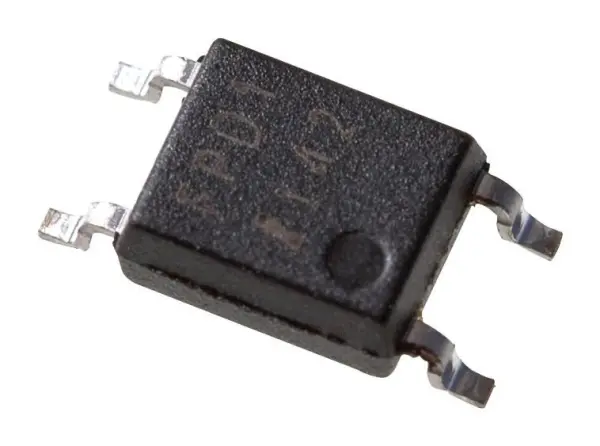
The IS181D is a high-density, 1-channel optocoupler presented in a compact SOP-4 package. It integrates an infrared light-emitting diode (LED) with an NPN silicon phototransistor, providing reliable electrical isolation and signal transfer between circuits of different potentials and impedances. All electrical parameters are 100% tested to ensure consistent performance and reliability.
Key features include a 50mA forward current, a 6V reverse voltage, and a 170mW total power dissipation. The device offers an isolation voltage of 3.75kV and a minimum current transfer ratio (CTR) of 300%, making it suitable for a range of industrial and electronic applications.
Applications
- Industrial systems controllers
- Signal transmission between systems of different potentials and impedances
- Computers and computer peripherals
- Test and measurement equipment
- Signal processing circuits
Specifications
- No. of Channels: 1
- Optocoupler Case Style: SOP
- No. of Pins: 4
- Forward Current (If Max): 50mA
- Reverse Voltage: 6V
- Isolation Voltage: 3.75kV
- CTR Min: 300%
- Collector Emitter Voltage (V(br)ceo): 80V
- Total Power Dissipation: 170mW
The IS181D is supplied in a tape and reel format, ideal for high-volume assembly. Its high-density mounting capability and robust electrical characteristics make it a versatile choice for engineers looking to isolate and protect sensitive circuits.
Need larger quantities? Need additional quantities? Get in touch and we'll arrange it for you.
- Shipped within 0-2 business days
- Shipping to United States: 3-5 business days*
- Free Shipping Included
Always follow local regulations and product guidance.
Free standard delivery on US mainland orders. Express delivery options and international shipping available at checkout.
We offer a 30-day money-back guarantee on most products. For defective items, contact us within 14 days for a replacement or refund.
View Full Delivery & Returns PolicySecure Transactions
We take the utmost care with your payment and personal details. Our website uses advanced encryption technology, including Secure Sockets Layer (SSL), to protect your information during transmission. You can verify a secure connection by looking for 'https' and a locked padlock in your browser.
Cookie Policy
Cookies enhance your shopping experience by keeping track of your cart and remembering you when you return. We also use banner advertising based on your browsing history to present products of potential interest.
Security Warning
Beware of phishing scams! We will never ask for personal details via email. If such information is required, we'll ask you to contact us by phone. If you receive an email requesting sensitive information, do not respond and let us know immediately.
You might like