

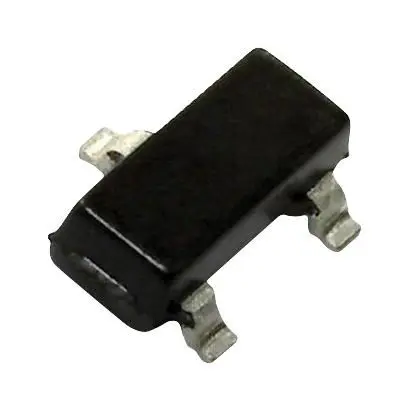
Microchip Fixed LDO Voltage Regulator 2.5V 250mA SOT-23-3
Microchip fixed 2.5V LDO voltage regulator with 250mA output, 178mV dropout & 1.6µA current. SOT-23-3 package for battery & portable devices.
The Microchip Fixed LDO Voltage Regulator delivers a reliable 2.5V fixed output, capable of sourcing up to 250mA of current. Featuring an extremely low input-output voltage differential of 178mV at 250mA, this CMOS low-dropout (LDO) linear regulator is highly efficient. The combination of low dropout voltage and a typical operating current of just 1.6µA makes it an ideal choice for battery-powered applications, effectively extending battery operating lifetime.
Designed for stability, the device operates effectively with a 1.0µF ceramic output capacitor. It permits high currents in small packages when operated with minimum VIN - VOUT differentials. To ensure maximum reliability, the circuit incorporates robust short-circuit protection and over-temperature protection. It also serves as a pin-compatible upgrade for bipolar regulators TC55 where the maximum input voltage is less than 6V.
Key Specifications
- Output Voltage: 2.5V Fixed
- Output Current: Up to 250mA
- Input Voltage Range: 2.3V to 6V
- Dropout Voltage: 178mV typical at 250mA
- Operating Current: 1.6µA typical
- Output Voltage Accuracy: ±0.4% typical
- Package: SOT-23-3 (Surface Mount)
- Dimensions: 43mm x 33mm x 15mm
- Weight: 0.033 grams
Need larger quantities? Need additional quantities? Get in touch and we'll arrange it for you.
- Shipped within 0-2 business days
- Shipping to United States: 3-5 business days*
- Free Shipping Included
Always follow local regulations and product guidance.
Free standard delivery on US mainland orders. Express delivery options and international shipping available at checkout.
We offer a 30-day money-back guarantee on most products. For defective items, contact us within 14 days for a replacement or refund.
View Full Delivery & Returns PolicySecure Transactions
We take the utmost care with your payment and personal details. Our website uses advanced encryption technology, including Secure Sockets Layer (SSL), to protect your information during transmission. You can verify a secure connection by looking for 'https' and a locked padlock in your browser.
Cookie Policy
Cookies enhance your shopping experience by keeping track of your cart and remembering you when you return. We also use banner advertising based on your browsing history to present products of potential interest.
Security Warning
Beware of phishing scams! We will never ask for personal details via email. If such information is required, we'll ask you to contact us by phone. If you receive an email requesting sensitive information, do not respond and let us know immediately.
You might like