

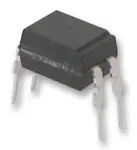
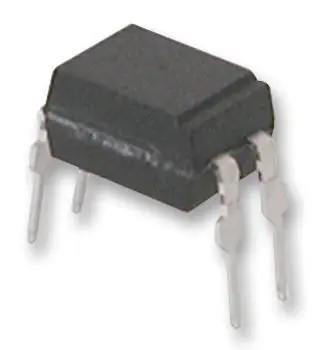
Optocoupler, Transistor Output, 1 Channel, DIP, 4 Pins, 50mA, 5.3kV, 160%
1-channel 4-pin DIP optocoupler with NPN silicon phototransistor output. Features 5.3kV isolation voltage and 160% CTR. Ideal for industrial use.
This 1-channel 4-pin optically coupled isolator consists of infrared light emitting diodes and NPN silicon phototransistors, providing reliable transistor output. It is specifically designed for industrial systems controllers and signal transmission between systems of different potentials and impedances.
With an isolation voltage of 5.3kV and a minimum current transfer ratio (CTR) of 160%, this optocoupler ensures robust signal isolation and integrity. All electrical parameters are thoroughly tested to ensure performance and reliability in demanding environments.
Key Specifications
- Number of Channels: 1
- Case Style: DIP
- Number of Pins: 4
- Low Input Current: 0.5mA
- Forward Current (Max): 50mA
- Collector Emitter Voltage (BVCEO): 55V minimum
- Reverse Voltage: 6V
- Total Power Dissipation: 200mW
- Isolation Voltage: 5.3kV
- CTR Minimum: 160%
Measuring 43mm in height, 33mm in width, and 15mm in depth, and weighing only 1 gram, this compact component is suitable for high-density PCB mounting. It is an excellent choice for computers, computer peripherals, industrial applications, test and measurement equipment, and signal processing systems.
Need larger quantities? Need additional quantities? Get in touch and we'll arrange it for you.
Always follow local regulations and product guidance.
Free standard delivery on UK mainland orders. Express delivery options and international shipping available at checkout.
We offer a 30-day money-back guarantee on most products. For faulty items, contact us within 14 days for a replacement or refund.
View Full Delivery & Returns PolicySecure Transactions
We take the utmost care with your payment and personal details. Our website employs advanced encryption technology, including Secure Sockets Layer (SSL), to protect your information during transmission. You can verify a secure connection by looking for 'https' and a locked padlock in your browser.
Cookie Policy
Cookies enhance your shopping experience by keeping track of your basket and remembering you when you return. We also use banner advertising based on your browsing history to present products of potential interest.
Security Warning
Beware of phishing scams! We will never ask for personal details via email. If such information is required, we'll request you to contact us by phone. If you receive an email requesting sensitive information, do not respond and let us know immediately.
You may like