

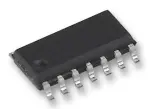
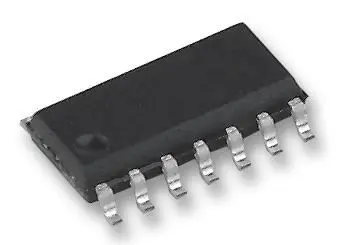
TEXAS INSTRUMENTS LM2574M-5.0/NOPB Buck Switching Regulator, 5V 500mA, SOIC-14
- SKU
- C3-SC18928
- EAN
- 3562094172997
High-efficiency buck regulator, 5V 500mA output, 4-40V input, SOIC-14. Ideal for industrial power management. Low-power standby.
This item is currently out of stock...
This item is currently out of stock, but you may opt in to be notified when it is back in stock.
Need larger quantities? Need additional quantities? Get in touch and we'll arrange it for you.
Technical Specifications
- Industrial power management
- General switch-mode power supplies
- Step-down voltage conversion applications
- Ask Claude, ChatGPT or Perplexity to find the right tool, with our live prices and stock.
- Get a ready-made basket: one link puts everything in your basket here.
- You always pay securely here: your assistant never sees your card.
- Output Type: Fixed
- Topology: Buck (Step-Down)
- Input Voltage Min: 4V
- Input Voltage Max: 40V
- Output Voltage: 5V
- Max Output Current: 500mA
- Switching Frequency: 52kHz
- IC Package: SOIC-14 (14 pins)
- Operating Temperature Max: 125°C
- Output Voltage Tolerance: ±4%
- Oscillator Frequency Tolerance: ±10%
- Features: TTL shutdown, low-power standby, high efficiency, thermal shutdown and current-limit protection
- Green Product: No Sb/Br
- Weight: 4.581g
- Height: 43mm
- Width: 33mm
- Depth: 15mm
- Sb/Br Output Type: Fixed
- Output Current: 500mA
- IC Case / Package: SOIC
- of Pins: 14Pins
- Output Voltage Nom: 5V
- Output Voltage - Nom: 5V
- SVHC: No SVHC (27-Jun-2018)
- DC / DC Converter IC Case: SOIC
Always follow local regulations and product guidance.
Free standard delivery on UK mainland orders. Express delivery options and international shipping available at checkout.
We offer a 30-day money-back guarantee on most products. For faulty items, contact us within 14 days for a replacement or refund.
View Full Delivery & Returns PolicySecure Transactions
We take the utmost care with your payment and personal details. Our website employs advanced encryption technology, including Secure Sockets Layer (SSL), to protect your information during transmission. You can verify a secure connection by looking for 'https' and a locked padlock in your browser.
Cookie Policy
Cookies enhance your shopping experience by keeping track of your basket and remembering you when you return. We also use banner advertising based on your browsing history to present products of potential interest.
Security Warning
Beware of phishing scams! We will never ask for personal details via email. If such information is required, we'll request you to contact us by phone. If you receive an email requesting sensitive information, do not respond and let us know immediately.