


WD-40 Lubricants and Their Most Common Uses
Learn the most common uses for WD-40 and discover how this versatile spray can help with DIY, maintenance, automotive and household tasks.
 Priya·
WD-40 lubricants and their most common uses
Almost every shed and cupboard in the UK has a familiar blue and yellow tin. Whilst WD-40 contains light lubricating oils, its primary purpose is shifting moisture, getting through rust and breaking down grime. Today, the sheer variety of WD-40 uses makes it an absolute essential for any household or workshop.
Practical Everyday Uses Around the Home
When exploring everyday uses for WD-40, its versatility truly shines indoors. A quick, targeted spray is highly effective for several common annoyances:
- Silencing squeaks: It is universally renowned for lubricating squeaky door hinges that drive you mad.
- Sticky situations: It acts as a gentle solvent for removing sticker residue from surfaces, whether on new glassware, windows or up-cycled furniture.
- Floor care: A light spritz on a microfibre cloth works wonders for removing scuff marks from vinyl floors (just remember to wash the area with soapy water afterwards so it doesn't become a slip hazard).
- Jammed mechanisms: It is incredibly reliable for unsticking stuck zippers and locks that have seized up over time.
In the Garage and Garden
Moving outdoors, standard WD-40 uses expand into heavy-duty DIY and maintenance. It is highly effective at cleaning grease off metal parts, making grubby engine bays and dirty toolkits look brand new. Mechanics frequently rely on its deep-penetrating properties for loosening rusted bolts and fasteners that refuse to budge.
For the green-fingered, it is great at preventing rust on outdoor tools. A quick spray and wipe down after a damp weekend of pruning is a foolproof method for protecting garden equipment from corrosion. If you require something even more robust for agricultural or marine use, the brand's specialist lines now provide industrial strength rust prevention for extreme environments.
Technical Maintenance and Repairs
Understanding the difference between a penetrating oil vs degreaser helps you get the most out of your spray. WD-40 acts as a handy hybrid, breaking down stubborn muck whilst leaving a thin, protective film behind. It is particularly famous as a water displacement spray for electronics; a quick blast inside a damp automotive distributor cap or wet spark plug leads can often get a stalled engine running again.
Meanwhile, cyclists frequently ask how to clean bike chains safely. You can absolutely use this multi-use spray to drive out grease, grit and moisture from the links. However, you should always follow this up by applying a dedicated bicycle chain lube to ensure long-term friction reduction.
Knowing Its Limits
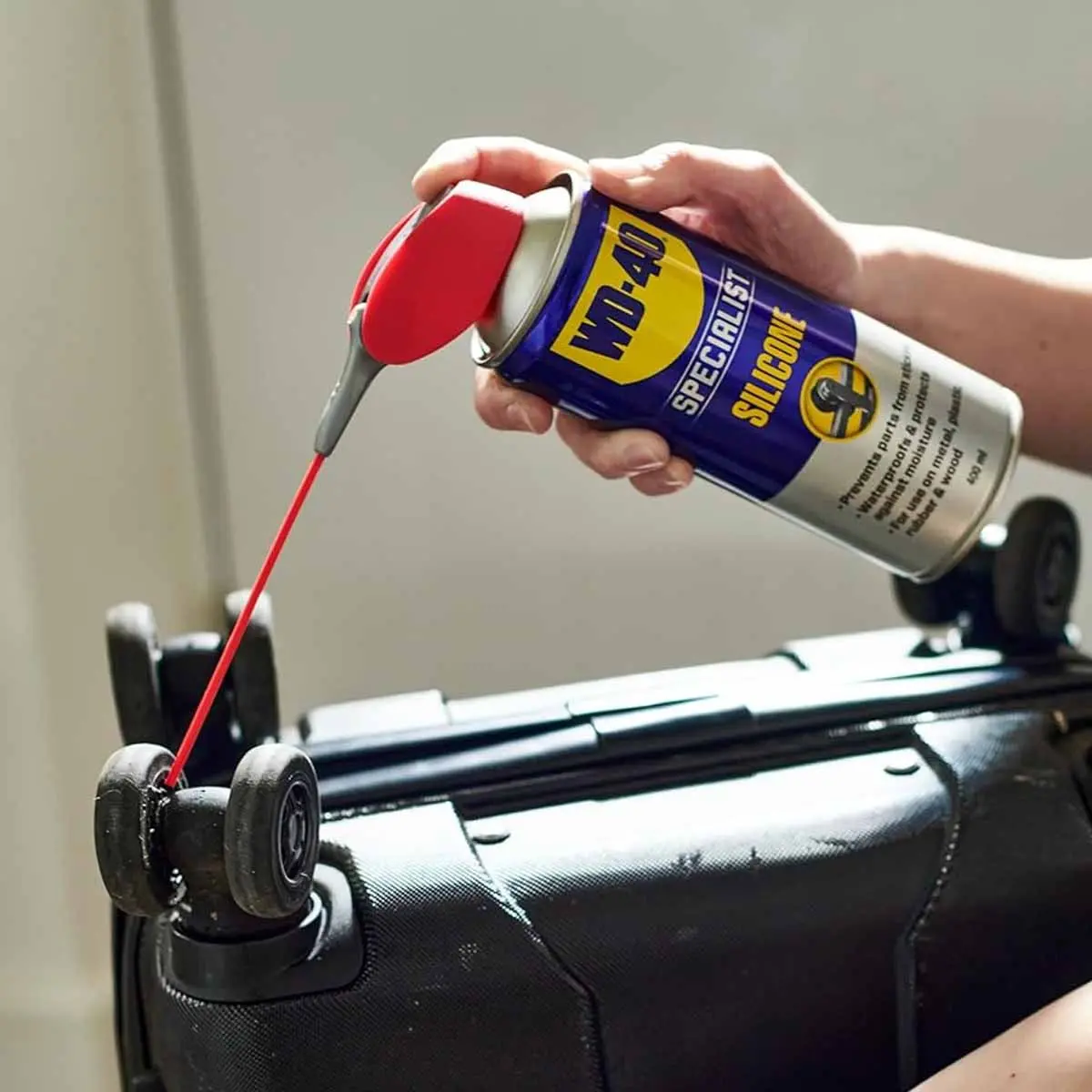
Despite its magic, you must know the surfaces to avoid using WD-40 on. Avoid applying it to polycarbonate plastics, clear polystyrene or unsealed timber, as it can cause melting or permanent staining. Also, always choose silicone sprays for rubber seals, O-rings and plastic gears. Petroleum-based products can eventually degrade natural rubber, whereas silicone preserves it perfectly.
From simple household fixes to complex automotive repairs, the countless applications and uses make this iconic blue tin one of the most practical investments you can make. By understanding exactly how and where to apply it, you can keep your home, garden and vehicles running smoothly all year round.
