Dispatch closes inCutoff--:--:--



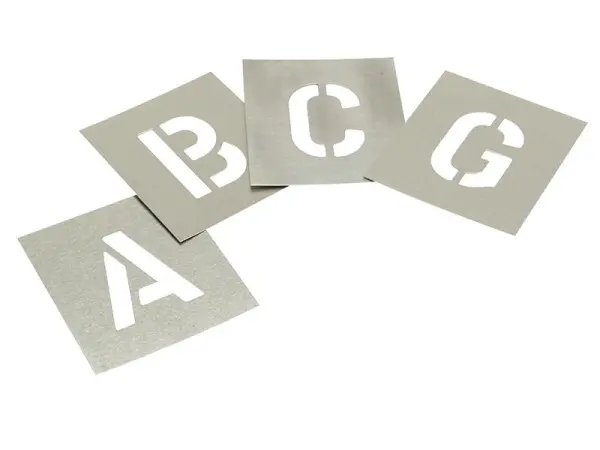
Stencils 锌字母模板套装 - 2.5英寸(A-Z)
¥374.95
- 商品编号
- STNL212
- EAN
- 3713264112033
Stencils锌字母模板套装,27片包括全部英文字母,2.5英寸尺寸适合标牌、纸箱、包装箱标记,耐用可重复使用。
变体 • Letters 2.1/2in
买得越多,省得越多
1 件
¥374.95
-26%
2+ 单位
¥374.95
¥278.00
-33%
3+ 单位
¥374.95
¥252.00
-27%
4+ 单位
¥374.95
¥272.00
-32%
5+ 单位
¥374.95
¥255.00
-34%
6+ 单位
¥374.95
¥247.00
-43%
48+ 单位
¥374.95
¥215.00
还有2种优惠
优惠
需要更大数量吗? 需要更多数量?联系我们,我们将为您安排。
字母模板
全球快速配送
- 0-2个工作日内发货
- 配送至 美国:3-5 个工作日*
- 免费配送
应用场景
- 标牌制作
- 纸箱标记
- 包装箱标记
Shop with your AI assistant
- Ask Claude, ChatGPT or Perplexity to find the right tool, with our live prices and stock.
- Get a ready-made basket: one link puts everything in your basket here.
- You always pay securely here: your assistant never sees your card.
- 材质: 锌
- 材料特性: 高品质, 耐用
- 特点: 非互锁
- 套装内容: 27片 (A-Z)
- 字母尺寸: 2.5英寸
Always follow local regulations and product guidance.
英国本土订单免标准运费。结账时可选快递配送及国际运输服务。
英国:1-3天
欧盟地区:5-7天
全球配送:7-10天
我们为多数产品提供30天退款保证。若商品存在质量问题,请在14天内联系我们进行更换或退款。
查看完整的配送与退货政策安全交易
我们极其重视您的支付和个人信息安全。我们的网站采用先进的加密技术,包括安全套接字层(SSL),以在传输过程中保护您的信息。您可以通过查看浏览器中的“https”和锁形图标来验证连接的安全性。
Cookie政策
Cookie通过跟踪您的购物篮并在您返回时记住您来提升购物体验。我们还根据您的浏览历史使用横幅广告,展示您可能感兴趣的产品。
安全警告
谨防网络钓鱼诈骗!我们绝不会通过电子邮件索取个人信息。如需此类信息,我们将要求您通过电话与我们联系。如收到要求提供敏感信息的电子邮件,请勿回复并立即告知我们。
相似产品
C3-ST03423
起 ¥491.00
DOUGHTY

你可能也喜欢
WIL-1037
起 ¥120.00
Buffalo
WIL-1405
起 ¥28.00
Dri-Pak